
Monthly Membership for Online PLD
Building Excitement, Engagement & Achievement in Writing
This Monthly Subscription provides access to our Professional Learning Development (PLD) resource provides.
By purchasing this resource, you will have access to the following:
- Murray ‘Reads and Writes From’ video lessons (over 70 videos)
- ‘Murray Talks’ videos around the teaching of writing’ (over 20 videos )
- ‘Murray – Working With Students‘ (over 18 videos)
- Downloadable Teachers’ Notes / PDFs for the above video
- All / any new videos or content that are added.
- “Members Area” section to manage your subscription
- Free technical support for your plan & Group users usage questions, billing support access issues etc..
**Important Notice RE Changes to Subscriptions**
In line with our recent announcement, Annual subscriptions are now retired and replaced with this Monthly Plan.
All Memberships & Subscriptions will be closed on 31st August 2026. See the details in the Description below.
Purchase Membership
- Prices are per school and based on size / number of teachers.
- Prices are in NZD, include GST and are payable in advance via credit card.
- Billing is on a Pro Rata basis, charged automatically on the 1st of each month.
- Your 1st payment might not be the full amount, if we are part way through the month.
- The person making the purchase (e.g. you) will become the Account Owner.
- For full information, see below “How Does Membership Work?“.
Writing Skills For Year 1-9 Students
This is a list of the writing skills and strategies that I believe most students at each year level should be able to demonstrate, given good teaching.
It is closely aligned to the revised New Zealand Curriculum (2025).
Free document, revised and updated July 2025.
This is a comprehensive PDF document of 34 pages.
It has been developed around the following headings:
- Content / Ideas / Purpose
- Text And Sentence Formation / Grammar
- Vocabulary / Language Features
- Spelling / Handwriting
- Punctuation
- Writing Processes
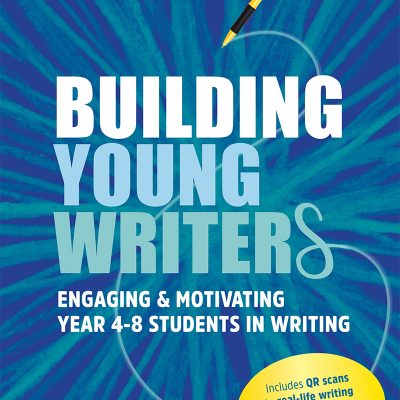
Building Young Writers : Engaging & Motivating yr 4 – 8 Students in Writing
Murray has written this book to help you – the teachers of Year 4 to 8 students – engage and motivate your students more as writers and ultimately to lift progress and achievement by them. As such, it is as much about teaching students of this age group how to be writers rather than just teaching them how to write. Whatever our beliefs and approaches, the joy of literacy must be promoted in our middle and senior primary classrooms if we are to make a difference for our students.
He presents this book to the teaching community as a continuation of my work to help teachers address disengagement and under-achievement by their older primary students in writing.
“The teacher is at the heart of this book as it is about what s/he can do to make a difference for our Year 4 to 8 students.”
Buy Now
(Please Note: The “Buy Now” button links to Learning Network who are responsible for sales, dispatch & returns of this book.)
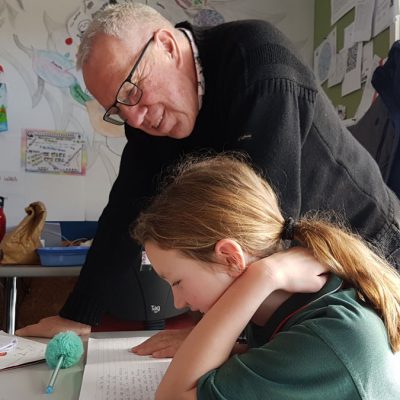
Working With Under-Achieving Writers
This brand new eBook (written by Dr Murray Gadd) was released on 31st January 2020.
SEE INSIDE ~ READ EXTRACT BELOW – You can also download the sample PDF (8 pages)
This is an 82-page peer-reviewed eBook resource entitled Under-achievement Is Not Inevitable: Working Effectively With Struggling And Reluctant Writers.
It’s written as a reflection and discussion document for school / literacy leaders & teachers and considers different ways of working effectively with students (particularly Years 4-10) who are not always engaged in writing and/or who struggle as developing writers.
The Main Questions It Poses Are
- Why do some students (particularly boys and students from minority ethnic groups) under-achieve as developing writers?
- What are some key actions that teachers can undertake to help raise student engagement, progress and achievement levels in writing?
Who’s This For?
This resource was developed for two main audiences:
- For school/literacy leaders who could use the resource to lead professional inquiry and learning amongst their teachers. To this end, I have written a reading and discussion guide at the beginning and end of all sections. These often include actions for teachers to trial.
- For teachers who might want to use the resource to lead their own inquiry around the key questions posed in the resource. They could use the reading and discussion guide and trial some of the suggested actions as individual teachers.
How Can It Assist Literacy Leaders & Teachers?
The key actions are contextualised in real classroom situations and cover issues related to strategic use of:
- Teacher expectations;
- Topic selection;
- Instructional strategies;
- Classroom organisation and management;
- Classroom environment.
Have a look at some sample pages and think about how you could use it, especially if under-achievement in writing is an issue at your school.
—
Price Per School / Institution
All prices are quoted in NZD
| – Individual Teacher / Purchaser: $19.99 |
| – School usage small (2 ~ 10 teachers): $90 |
| – School usage medium (11 – 20 teachers): $160 |
| – School usage large (21 – 30 teachers): $240 |
| – School usage large+ (31 or more teachers): $299 |
—
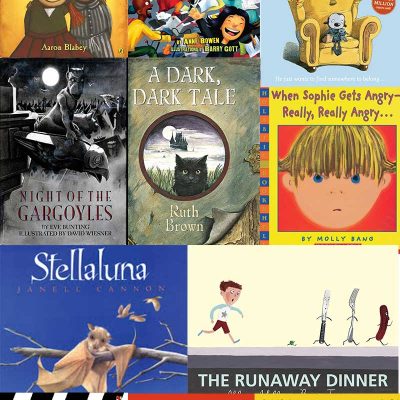
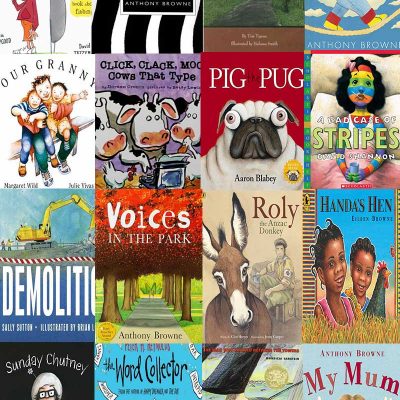
Picture Books For Reading And Writing (List #1)
This is a list of picture books (including sophisticated picture books) that I use to motivate and engage Year 1-10 students in reading and writing.
A second list is also available here
For reading, I use them as ‘read to’ books and sometimes as models of what good writers can do.
For writing, I use them to establish writing ideas and content for and with students.
You may wish to review the Murray Talks videos for teacher guidance and the Video Lessons for some ‘follow along’ content.
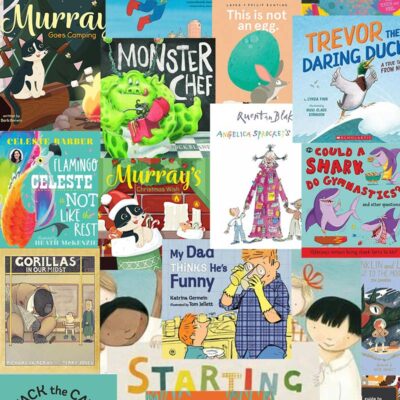
Picture Books For Reading And Writing (List #2)
This is the second list of picture books (including sophisticated picture books) that I use to motivate and engage Year 1-10 students in reading and writing.
The first list is available here, also as a free download.
For reading, I use them as ‘read to’ books and sometimes as models of what good writers can do.
For writing, I use them to establish writing ideas and content for and with students.
You may wish to review the Murray Talks videos for teacher guidance and the Video Lessons for some ‘follow along’ content.
Picture Books For Reading And Writing (List #3)
It is three years since I put together (with the help of several school librarians) my update of suggested picture books for reading and writing. Now it’s time for another update. All of the lists are available here as free downloads. Just sign in and download at no cost.
The following list of books (some new; some old) are the main ones that I have come across and/or having been using in my reading and writing programmes over the past three years. Some are recommended for particular age groups, and some (as you will see at the end) have been used as the subject of Video Lessons I have included in my on-line subscription resource.
Have fun reading these books and sharing them with your students, and good luck with coming up writing ideas that might go with them. Remember, in most cases it will not be a matter of just re-telling the stories in writing time; it will be more a matter of taking the main themes or ideas in the book and getting students to apply them to their own lives and experiences. Look at how I do this in any of my lessons.

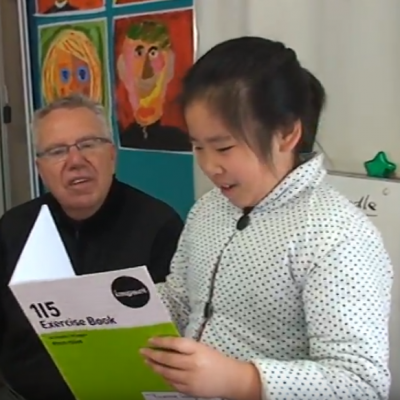
Spelling: Some Ideas
This document has been designed to give schools some guidance on:
- The place of spelling within the writing programme.
- What students of all year levels ought to be able to demonstrate as proficient spellers.
- The stages of students’ spelling development.
- Some spelling ideas and activities for teachers of junior students and middle-senior students.
A predominant message is that spelling needs to be deliberately and strategically taught within the writing programme as a basic courtesy for the reader.
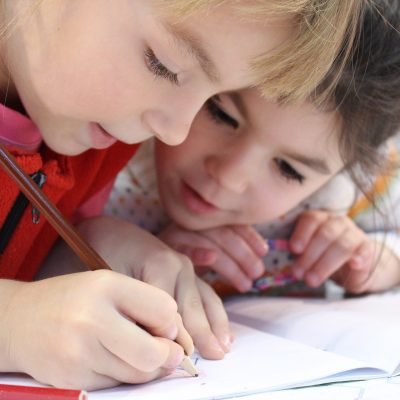
Reading Skills For Year 1-9 Students
This is a list of the reading skills and strategies that I believe most students at each year level should be able to demonstrate, given good teaching.
It is closely aligned to The New Zealand Curriculum, the Literacy Learning Progressions, the English Language Learning Progressions and e-asTTle Reading.
Beginning The School Literacy Year: Some Notes For Teachers
It is surely every teacher’s desire and goal to seek to enable and create success for their students in the classroom.
The beginning of the new school year can be daunting for students, as well as teachers, with so many new faces, curriculum changes, excitement and a plethora of other distractions.
With regard to literacy goals, it is important to establish a clear understanding from the outset with your students.
You should aim, within the first fortnight of the new school year, to communicate clearly with your students that:
- ‘Our job during the year is to become the best readers and writers we can be’.
- ‘Reading and writing can be fun as well as challenging’.
- ‘I need to work with you to find out what you’re already good at and what you need to work on so that I can help you’.
In this respect, this document’s aim is to assist teachers by providing typical questions they can ask themselves when preparing for the school literacy year.
What Is Quality Writing?
Teachers need to understand what constitutes quality writing if they are to move their students towards it. In this document I:
- Justify why knowledge of quality writing by students is so important.
- Suggest ways of getting students to identify quality writing.
- Offer my own thinking about what I’m looking for in the best of student writing.