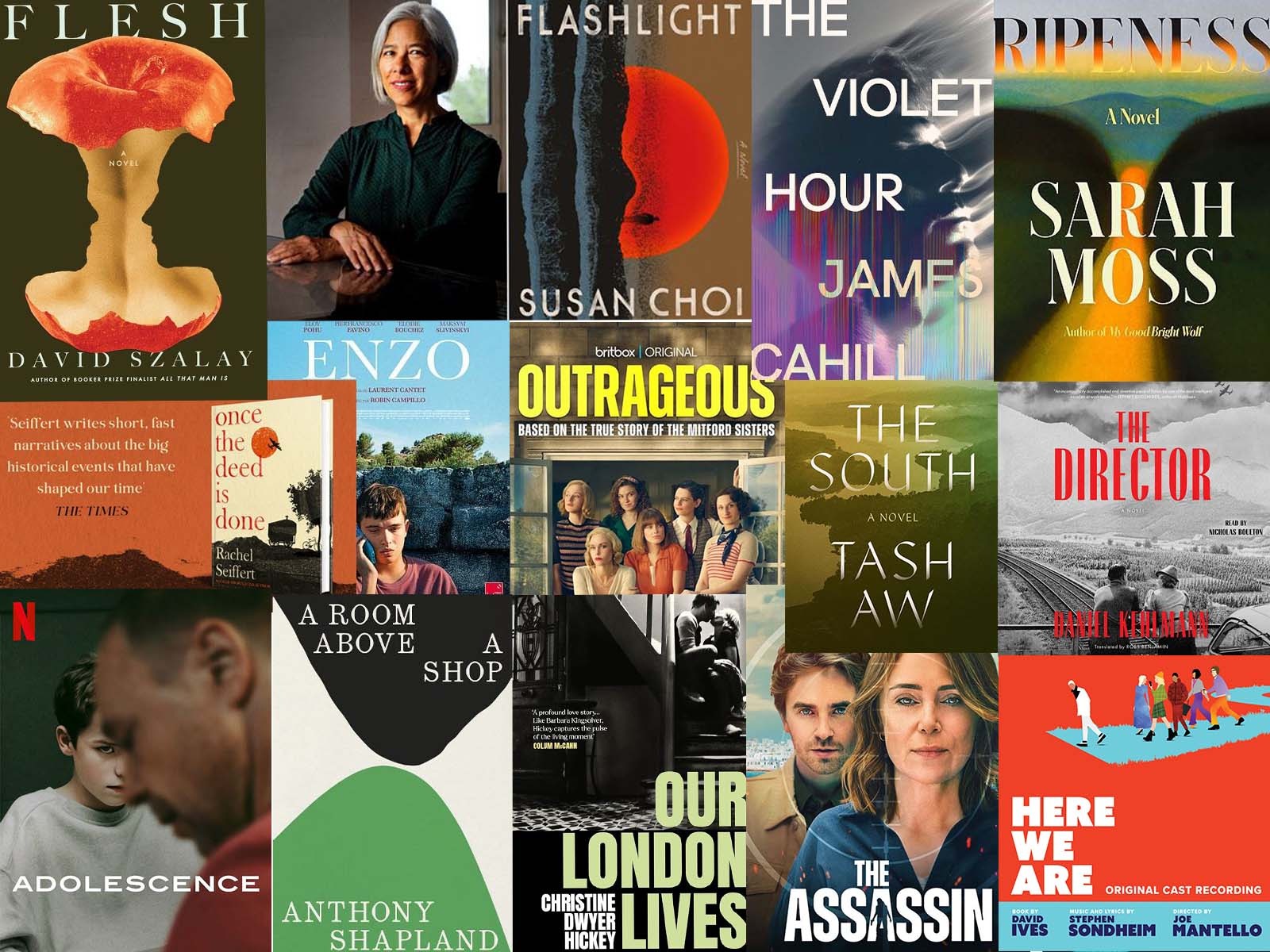
This update mainly focuses on the eleven novels I have read over the past six months. Some of this reading took place while I was ‘on the road’ in Europe for three months.
I will also comment (albeit more briefly) on films I have watched, theatre I have attended and streamed series I have viewed over the past few months.
NOVELS
I will discuss the novels I have read in alphabetical order of authors:
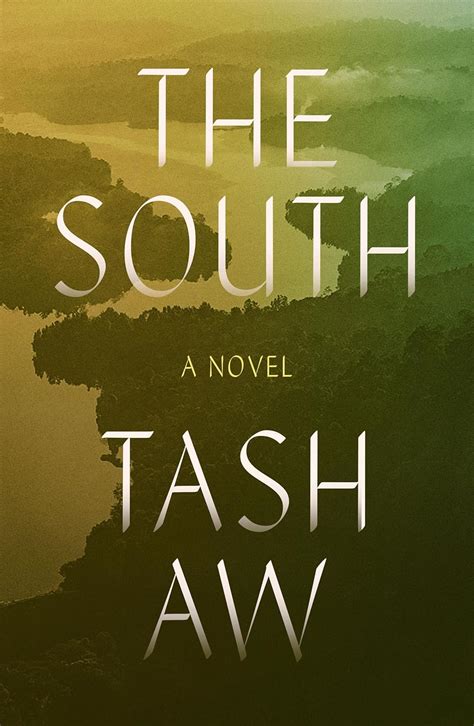
The South by Tash Aw. This beautifully written novel (set in rural Malaysia in the mid 1990s) is almost Chekhovian in tone and context – a family (mother and father in a deeply unhappy marriage; three teenage children on the verge of hopefully big and exciting changes to their lives; the father’s half and badly treated brother and his older teenage son) spend presumably a final summer together on their dilapidated and dying orchard. What will happen to all of them and to their land? But beneath the gentle veneer of their diverse stories, big storms are brewing, often linked to societal issues that encompass the characters. The most profound of these issues relates to a clandestine and blossoming love affair that emerges between the sixteen-year old son of the couple and his nineteen-year old male cousin. This relationship is gently and beautifully portrayed and reminded me very much of the similar relationship in Andre Aciman’s Call Me By Your Name. I read that the writer (Tash Aw) intends to make this novel the beginning of a family quartet. I very much look forward to the next volume.
The Ministry of Time by Kaliane Bradley. I read this novel because it has been so heavily hyped as a debut and exciting novel. I was slightly under-whelmed. As a blend of sci-fi and romance, I shouldn’t have been surprised by my response as I am not a fan of either genre. It involves time-travel – figures from the sixteenth to the early twentieth-century are returned from the brink of death and challenged by Ministry of Time minders to adapt to twenty first century mores, including sexual mores. However, when it occasionally moved beyond sci-fi and romance to high adventure, history and espionage, it became a more enjoyable read. But the sci-fi elements continued to confuse me. Travelling from the past to the present I can cope with; travelling into the future baffles me. Although the first-time author makes a case for time-travelling helping the contemporary world to solve some its social problems, I was not convinced.
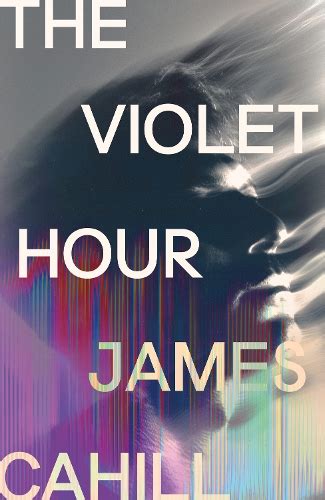
The Violet Hour by James Cahill. Reading this wonderfully enjoyable novel is like engrossing yourself in a season of The White Lotus. Like The White Lotus, it contains a vast cast of (mostly) mega-wealthy, pretentious and often nasty characters. In this case, they are all connected to the art-world in some way (artists; gallerists; collectors). Thet continually fight and bicker, and we eventually start to realise why. Like The White Lotus, it is set across a wide range of glamorous settings – the wealthy areas of London, New York, Montreux, and eventually Venice (for the Biennale). And like the latest series of The White Lotus, it opens with an anonymous death (of a young man) and spends much of its complicated plot-line uncovering the facts of this death. Maybe because of its obsession with colour, it is also very cinematic in tone. It is therefore no surprise that one of the main characters (the artist Thomas Haller) is influenced by the 1950s technicolour melodramas of film-maker Douglas Sirk, and the young man’s death happens in Maryon Park (London), the setting of the illusionary death in Antonio’s 1966 movie Blow Up. Above all, it is a satire of the worst aspects of the modern art scene. It has more realistic elements to it as well – mostly about missing children – and I’m not sure if it is a great novel. But I would agree with the Guardian reviewer who described it as “soapy and sensational”. I couldn’t put it down, just as I couldn’t wait to watch the next episode of The White Lotus.
Flashlight by Susan Choi. In the tradition of the grand fiction of American novelists Jonathan Franzen and Michael Chabon, this novel carries the gravitas of a serious American novel. On one level, it is a mystery story. Near the beginning, Serk (born Korean but has mainly lived in Japan and America) and his daughter Louise are walking along a Japanese beach in the early evening, with Serk carrying the flashlight of the title. Both disappear, but Louise turns up later with no memory of what has happened. What has happened to Serk? Has he really drowned as everyone has assumed? Where does his wheelchair-bound wide Ann fit into it for theirs is not a happy marriage? And Ann’s illegitimate son Tobias? Midway through, all starts to make sense with the remainder of the novel bringing the pieces of the puzzle together in a fascinating way. But on a deeper level, it is a novel about cultural identity (not surprising as it is set between America, Japan, North Korea, South Korea, China and even briefly London and Paris), about geo-politics (especially the tensions between America and China, between Japan and Korea, and between North Korea and South Korea), and (most significantly) about isolation and loneliness. All four main characters are loners in some way, trying to make connections with each other, not always successfully. The novelist beautifully illuminates the flashlight of the title on all of these important issues but within a plot-line that had me engaged throughout.
Our London Lives by Christine Dwyer Hickey. On the one hand, this is an intimate love story between two outsiders from Ireland – Molly, an 18-year old pregnant runaway from County Louth who ends up as a barmaid in London; Pip, a tearaway youth from Dublin who aspires to be a boxer in London. But, on the other hand, it is a sprawling saga (1979-2017) of not only Molly and Pip’s lives, but also the lives of their friends and families. It is rooted in Ireland, but most of the action happens in central London which is beautifully brought to life, geographically and historically, by Hickey: the death of the Kray twins, the IRA bombings; the rise of property development and subsequent recession; the Grenfell Tower fire. Ultimately, it is about lost opportunities – will the main protagonists eventually get together and make something of their lives? – though told in a way that had me frantically turning pages looking for a happy ending even though I understood that most honest love stories contain as much darkness as they do light. This novel, the first that I have read by Hickey, totally engaged me emotionally from the beginning.
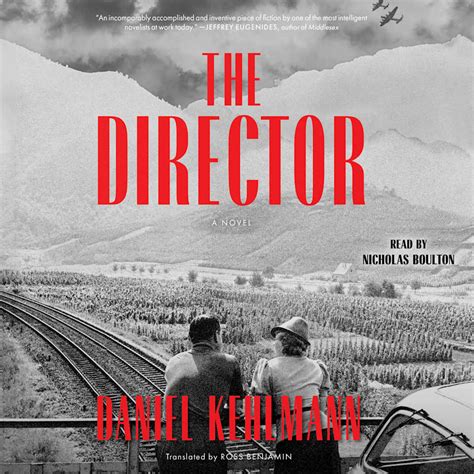
The Director by Daniel Kehlmann. I thoroughly enjoyed reading this novel, translated from German by Ross Benjamin. Not since reading Colm Toibin’s The Master have I been so engaged and stimulated by a novelisation of an artist’s life/career. In this case, it is the Hollywood-Nazi Germany-Hollywood career of acclaimed German film-maker G.W. Pabst. But the book is more than a fictional recount of the movies he made – it is ultimately about the personal and ethical downfall of an artist, affected by the political climate he finds himself in. Having emigrated to America in the early 1930s, he finds himself trapped in Nazi Germany having been conned to return with his family to care for his ailing mother. Given a choice of making movies for the Nazis or being imprisoned in a concentration camp, he understandably chooses to make movies. But it is also about the artistic process, with neither him (as main character) or we (as reader) knowing whether key actions are facts or fantasy. In the first chapter, for example, characters argue whether Pabst’s self-proclaimed but lost masterpiece Molander was actually made or not. I enjoyed reading this novel far more than I did reading Kehlmann’s last novel (Tyll – also a fictionalisation of real-life events) and would highly recommend it to others, particularly to those interested in film-making.
Ripeness by Sarah Moss. This is a powerful and beautifully written novel. Although it centres on one person (Edith, of English and Jewish heritage but with connections to Ireland, Italy and France), it is a novel about all of us and the sense of loss that we all experience from time to time. It is written in two alternating sets of chapters – one featuring Edith in the 1960s as a 17-year old on the verge of ‘life’ but sent to Italy to tend to her unmarried ballerina sister who is in the latter stages of pregnancy; the other featuring Edith in the 2020s as a woman in her 70s coming to terms with life after divorce and coping with her friends’ diverse attitudes and experiences. The first set is told in the first person (Edith talking to her new-born nephew); the other in the third person. But what holds the two sets together is the theme of separation – her sister’s new-born baby must be separated from his mother and aunt within a week of its birth, much to Edith’s distress; and an American in his 60s turns up having just discovered that he was separated at birth from his mother. They are not the same person, but the similarities in their stories are vivid. I found the Italian section of the novel – set on the shores of Lake Como – to be the most engaging and was indeed heavily moved by the chapters around the baby’s birth and the imminent arrival of a nun to facilitate its adoption. But, ultimately, the novel is an affirmation of life – it just goes on, and we must take from it what we can. The title Ripeness comes from King Lear. At one point, Edgar says to his father Gloucester, “Ripeness is all” signifying an acceptance of life’s journey and its inevitable ups and downs.
Once the Deed is Done by Rachel Seiffert. This is a powerful and moving novel in many ways. Set mainly around the final months of WWII and amidst a small village outside of Hamburg in Germany, it depicts what is happening to a diverse group of characters. They represent ‘ordinary’ Germans trying to survive a hugely destructive war, displaced workers and prisoners (mainly from Poland and Ukraine) wondering what is going to happen to them next, and a group of British army and Red Cross personnel trying to make sense of it all. Together, they represent an extremely powerful panorama of what the world was like at one of the most traumatic moments in its history. Seiffert delivers the narrative in a very direct way so sentiment rarely comes into it. Not to say, however, that emotions are not stirred. From the beginning, we sense that something terrible has happened to a group of workers just prior to the opening of the novel and when this mystery is ‘solved’, our emotions run high. If I had a criticism of the novel, it would be that arguably there is too much meandering by some characters before the mystery is ‘solved’ – meaning that the tension tends to wane from time to time – but overall, this novel really gripped me.
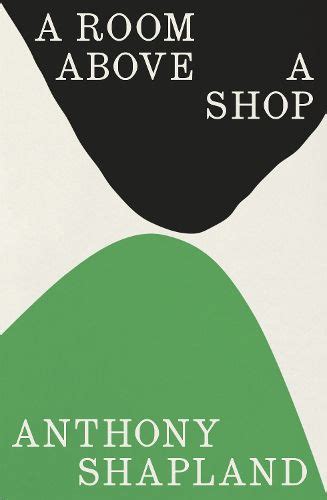
A Room Above a Shop by Anthony Shapland. This beautifully written debut novel – set in the Welsh valleys in the 1980s – depicts a love affair (so understated that we don’t even know the characters’ names, only their initials) between two taciturn men. Surrounded by deep homophobia and an understandable fear of AIDs, one senses that the affair is doomed from the start. M (the older of the two men) runs a hardware shop and invites B to share the room above the shop with him. But will this work for both men? Their story is told sparsely and poetically – in just bursts of beautifully chosen words and images – so the over-riding feelings of tenderness and pain are generally implied rather than stated. Often, what is not said seems to be more important than what is said. But it works. I found this short novel to be moving and engrossing and I look forward to Shapland’s next novel. Ultimately, I prefer realism to poetry in my fiction, but Shapland’s ability to evoke atmosphere and emotions through carefully placed and nuanced words worked for me.
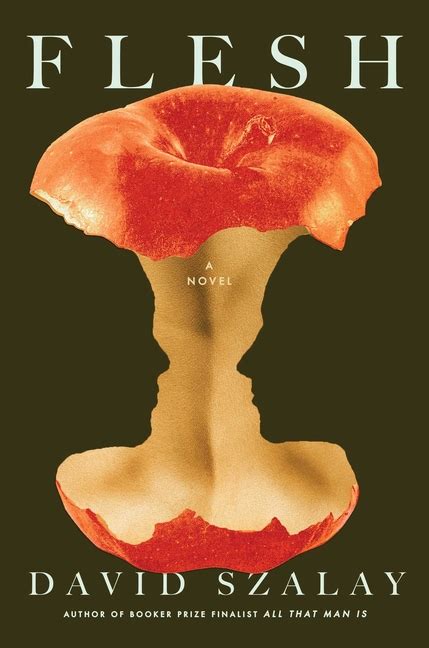
Flesh by David Szalay. I loved this novel. Telling the story of ‘everyman’ (Hungarian Istvan from adolescence to middle age), it is another of Szalay’s fictional explorations of ‘what is a man?’. But Istvan doesn’t represent all men – instead, he represents that present day dilemma of young uneducated men not being able to find a place for themselves in the world. Although he is occasionally violent, Istvan does not usually act; instead, he is usually acted upon by others, often older women. When asked about his life or his opinions, he generally responds, ‘I don’t know’ or ‘It’s OK’. But this book is more than a polemic about masculinity. Indeed, it is a fast-moving and very direct narrative about a man’s very engaging journey from Hungary to London, then back to Hungary with a side-visit to Kuwait. He starts with little, but circumstances change that dramatically. He does his best to be as good a son, lover, husband and father as he can be, but he often doesn’t know how. It is a real page-turner – thrilling, emotional, and (from time to time) very moving. At one key point, I thought of the impact that Hanya Yangihara’s A Little Life had on me. It is a narrative that ‘made me think’ and I highly recommend it.
Havoc by Rebecca Wait. I found this novel – set in an English girls’ boarding school in the mid 1980s with the Cold War and the miners’ strike looming in the background – to be both engaging and amusing, but not (in the end) wholly satisfying. It is like a somewhat nostalgic Ealing film comedy set in a St Trinian’s-type school but with a sense of foreboding looming over it. Many of the staff are as eccentric as the girls are hysterical. A mysterious illness sweeps the school and affects many of its students, and this seems to be representative of a mysterious illness sweeping the world. But is the illness real or imaginary? The novel is described as having ‘psychological complexity’ – I couldn’t see this. But I did find it very enjoyable to read as a diversion – a fast-moving plot; some great characters (especially Ida and Louise, the main student protagonists from complicated backgrounds); and even some laugh-out-loud moments (especially the chaos of the school play). But, in the end, I wanted more depth than I found.
|
FILMS
Most of my recent film going centred around the 2025 International Film Festival screened in Auckland (and subsequently around the rest of the country) in July-August. In all, I watched eight movies in the Festival, but four stood out for me:
The Secret Agent (Brazilian). This film, a prize-winner from the 2025 Cannes Film Festival, is an epic political thriller set in Brazil in the 1970s – the time of the military dictatorship. It is a story of infiltration (by the titular secret agent) and had me both intrigued and on the edge of my seat from the beginning. It is a film of substance.
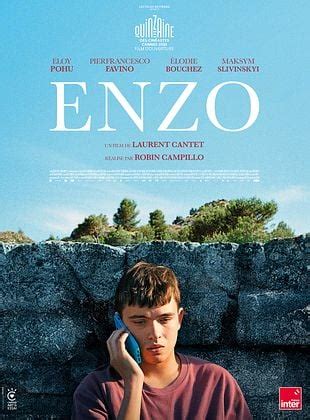
Enzo (French). This is a very moving film set in the south of France. In discovering his sexuality, 16-year old Enzo falls for Vlad (an older Ukrainian guy escaping conscription in his home country) while both are working on a building site.
Although Enzo’s infatuation with Vlad leads nowhere, the friendship between the two (as both realise what is happening) is beautifully and sensitively evoked.
Blue Moon (American). This is a small movie, being set in just two locations over just one night, but it fascinated me. It is basically a biopic of the American composer Lorenz Hart, one half of the composing team Rodgers & Hart, writers of the iconic title song. They have stopped working together because of Hart’s near-alcoholism, and Rodgers has now teamed up with Oscar Hammerstein. The movie is set around the opening night of Rodgers & Hammerstein’s first huge hit show (Oklahoma) and depicts Hart trying to cope with his ex-partner’s success and his own impending failure. As the rather sad Hart, Ethan Hawke gives the performance of a life-time.
Nouvelle Vague (French/American). Jean-Luc Godard’s film Breathless (with Jean-Paul Belmondo and Jean Seberg) is arguably the movie that instigated the experimental new wave (nouvelle vague) film-making process in France in the 1960s. Nouvelle Vague, a black-and-white movie made by the American film-maker Richard Linklater, is a re-enactment of the making of the Godard movie, from the planning stages to the premiere. As a movie buff, I found this fascinating. Even though it was fictionalised with actors playing Godard, Belmondo and Seberg, I felt I was almost watching a documentary.
If any of these movies were to return for commercial screening or on a streaming channel, I would recommend viewing them.
In addition, I have thoroughly enjoyed screenings of the following three movies over recent weeks:
The Count of Monte Cristo. This French-language film (based on the 19th century novel by Alexander Dumas) is an old-fashioned swash-buckling adventure which adheres closely to the plot line of the original novel. Beautifully costumed with lush locations, I found this movie to be highly entertaining.
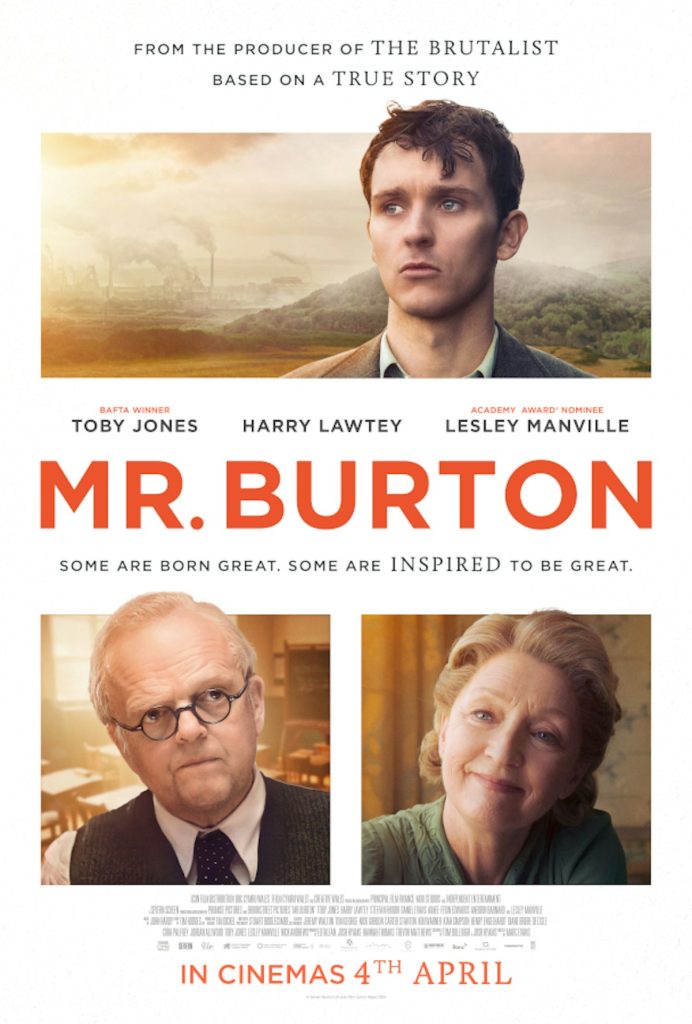
Mr Burton. Again, as a movie buff, I found this film to be fascinating. It depicts the early life and career of famed Welsh actor Richard Burton who was born Richard Jenkins (to a poor mining family) but mentored by his English teacher at secondary school, Mr Burton. It moves, in fascinating detail, from his first interest in plays and the spoken word (as an adolescent) to his first triumph at the Royal Shakespeare Company in Stratford-on-Avon. You can easily see the complications of his older life (especially in terms of his relationships) through the complications of his early life.
The Great Lillian Hall. This is another great theatrical piece. Based roughly on the later life of American actress Marian Seldes, it depicts a famous Broadway star (the titular Lillian Hall) rehearsing Chekhov’s The Cherry Orchard and realising that she has the onset of dementia as opening night fast approaches. This is a huge dilemma for her in that she has never missed a Broadway performance in her theatrical career. Will she accept what is happening to her? It features wonderful performances by Jessica Lange (as Lillian), Lily Rabe as her daughter and Kathy Bates as her minder/housekeeper.
THEATRE
While in London in March and May, I attended eight shows (four classics; three new plays; one musical) and absolutely loved the following shows:
The Seagull by Anton Chekhov. I have seen this play performed many times before but this was probably the most exciting production of it that I have seen. Featuring the great Cate Blanchett as the actress Arkadina and wonderfully cerebral performances by the other actors, it is set wholly in the outdoors, with many entrances and exits through a bunch of tall-standing reeds. The production is as moving, visually exciting and funny as any good production of Chekhov should be.
Edward II by Christopher Marlow. I have wanted to see this classic play (about the 12th century king, his relationship with Piers Gaveston and his subsequent death) ever since I read it at university; but it is so rarely performed that I had given up hope. So I jumped at the chance upon learning that it was to be performed at the Royal Shakespeare Theatre in Stratford-on-Avon. I was not disappointed. Spectacularly performed (with all the resources available to the RSC) and beautifully performed, it was as intriguing on the stage as it was on paper 50 years ago.
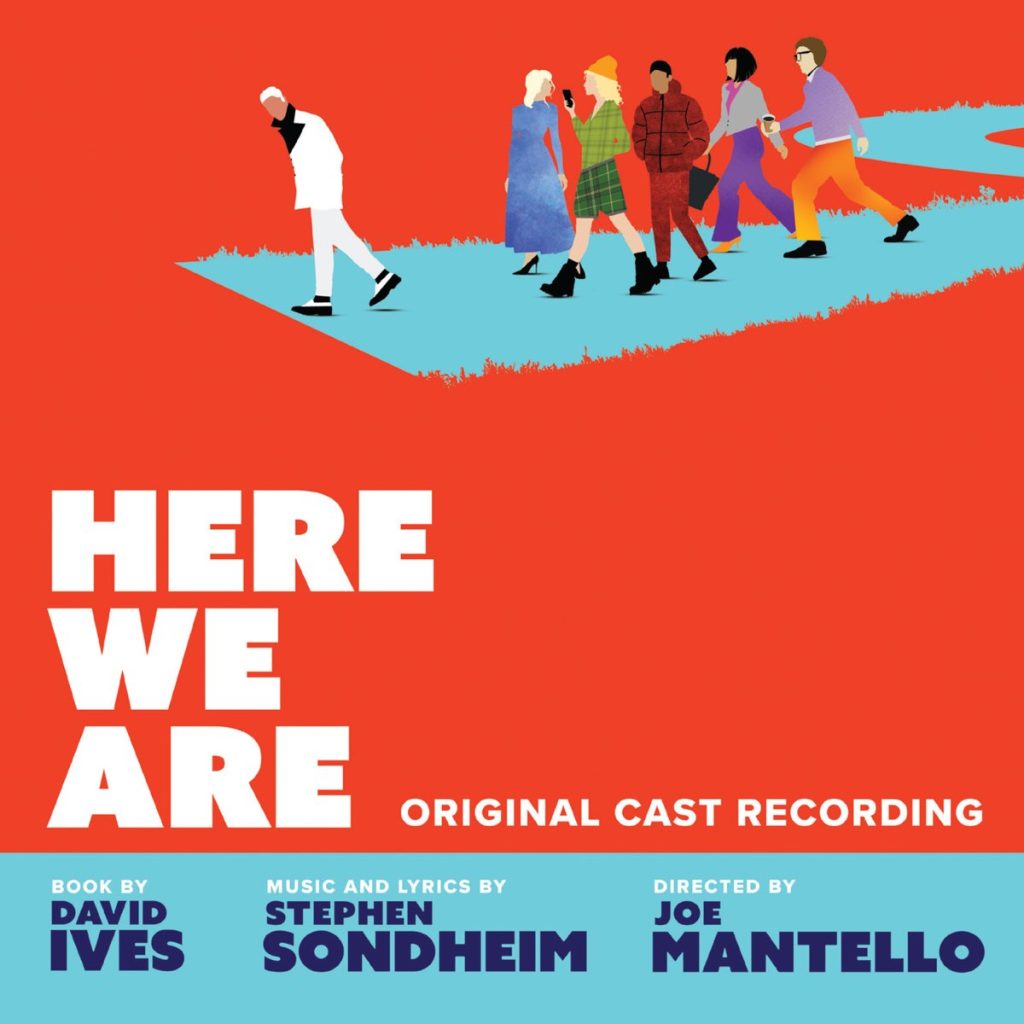
Here We Are by Stephen Sondheim. Sondheim is my favourite theatrical composer and I was devastated when he died (aged 92) two years ago. Here We Are (co-written with David Ives) is his final piece and, again, I jumped at the chance of seeing it live on stage. It had been previously performed on Broadway (soon after his death) and although it got mixed reviews, I didn’t care. Based on two experimental films by Spanish film-maker Luis Bunuel (the more famous being The Discreet Charm of the Bourgeoisie), the first half of the show is Sondheim at his best with the music sounding to me like a combination of Company, Follies and Into the Woods. Although the second half did not live up to the musical excitement of the first half, to me it was still very satisfying. I’m thrilled that I got the chance to see this production as I doubt that the piece will be widely performed
Rhinoceros by Eugene Ionesco. This was another play that I had always wanted to see. Ionesco (one of the founders of the ‘theatre of the absurd’) wrote this play soon after WWII as a warning against fascism and as a portrayal of how easy it is for loud voices to get compliance from the population. Sound familiar in today’s world? This was pure physical theatre – beautifully executed – with a very moving central performance by Sope Dirisu as ‘everyman’. His ‘soliloquy of warning’ toward the end was incredibly powerful and indeed chilling.
Giant by Mark Rosenblatt. I have never sensed an audience being as engaged in a play as I did this one, especially toward the end of the first half. The full house was abuzz all through interval about the ideas in the play. Starring the great John Lithgow (in a powerhouse performance) as a rather unlikeable Roald Dahl at the height of his novelistic career, it features a real-life instance of Dahl making anti-Israel comments (about its attacks on neighbouring countries) which were interpreted as anti-Semitic. Hence the buzz across the theatre – what does anti-Semitism actually look like within the context of the Holocaust and subsequent political moves by Israeli governments? This is a truly relevant play for our times. I really hope it gets performed in New Zealand.
Since returning home in June, I have also attended several plays with the following having a special impact on me:
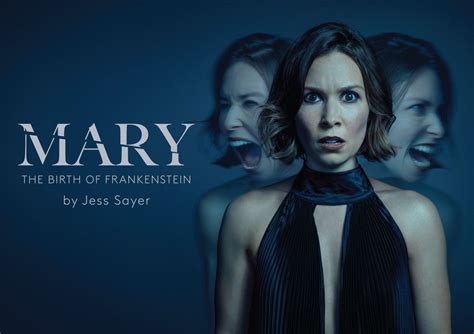
Mary: Birth of Frankenstein by Jess Sayer (Auckland Theatre Company). I loved this highly theatrical production about the night Mary Byshe Shelley devised the story of Frankenstein with a group of family and friends (including the poet Lord Byron and her poet husband Percy Shelley) in a spectacularly haunted castle. Not only is it campy and funny and a little bit scary, but the writing contains a depth which is not always apparent in a new play by a new(-ish) writer. The play does more than tell the story – it explores scientific concepts relevant to its content as well as social mores (especially related to feminism) relevant to its time of happening. It was beautifully designed and featured a great central performance from Olivia Tennant as Mary.
Mother Play by Paula Vogel (Silo Theatre, Auckland). This is a new play, straight from Broadway, and we’re lucky to get to see it here. Set (mainly in New York) between 1964 and the present day, it depicts a loving but wholly unpredictable mother’s relationship with her son and daughter (both of whom turn out to be gay) soon after her husband has left her. It explores the impact of the mother’s larger-than-life personality on her children’s lives. Needless to say, the impact is not always positive. But, by the end, it is very moving. Featuring a wonderful central performance by the fabulous Jennifer Ludlam who made us laugh, feel angry and cry in turns, it also introduced me to two new actors (Tim Earl and Amanda Tito) whose careers I will follow with interest.
The End of Summer by Roger Hall (Auckland Theatre Company + Court Theatre, Christchurch). This one-person play is another lovely piece of theatre. Yes, it contains the laughs one would expect of any Roger Hall play but in the end it is very very moving. Featuring the character Dickie Hart (who has been the subject of two of Hall’s previous plays), we learn that Hart has moved to an apartment in Auckland with his wife just prior to the lockdowns of the pandemic. Life through the lockdowns begins the play’s heartfelt denouement. I have seen two productions of this play over the past two months, one in Auckland and one in Christchurch. The Christchurch production, in particular, featured a charming, gentle but highly skilled performance by the wonderful Ross Gumbley that moved me greatly.
STREAMED SHOWS
Just a few notes to finish on some of the streamed shows that I’ve been watching recently:
Hostage (Netflix). Great fun. A political thriller about an English prime minister and a French president having to confront very personal issues of kidnapping and blackmail. Lots of twists and turns. Starring Suranne Jones and Julie Delpy from opposite sides of the Channel.
Adolescence (Netflix). This is a series that every teacher should watch if they’ve not watched it already. Basically a murder mystery story, it inquires into the brain of an adolescent boy and explores the horrible power of social media. It gripped me from the beginning.
Dept. Q (Netflix). Set within the Edinburgh police force, this series involves the solving of a cold case, that no one expects can be solved, by a group of waifs and strays, headed by Matthew Goode playing a bitter and sardonic detective. Highly enjoyable.
Outrageous (Neon). This is a very stylised and stylistic portrait of the British aristocratic Mitford family (father, mother, five daughters, one son) in the 1930s. They are (almost) all highly eccentric – one is a best friend of Hitler, one is married to Oswald Mosely (head of the British fascist party), one becomes a communist, one is a novelist – and the series captures their eccentricity beautifully. Huge fun.
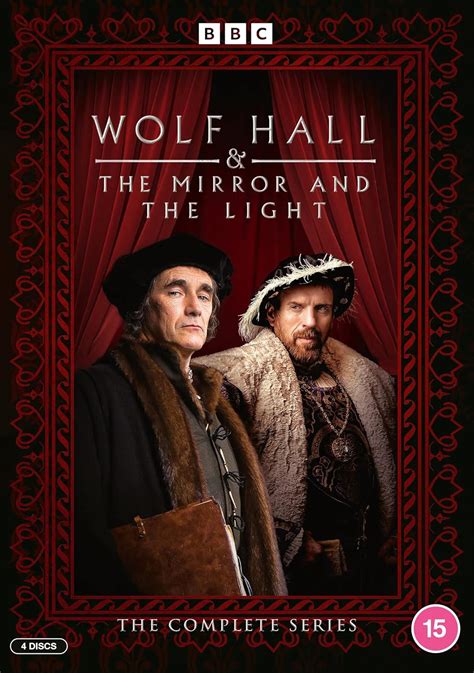
Wolf Hall: The Mirror and the Light (Neon). This is outstanding television. Based on the third volume of Hilary Mantell’s Wolf Hall novel series, it depicts the downfall of Thomas Cromwell who acts as chancellor to Henry VIII in the 1520s. We’ve seen his rise in the first two series, but now we watch him going from hero to zero, with the final episode being particularly sad. Played superbly well and movingly by Mark Rylance (as Cromwell) and Damian Lewis (as the king).
Etoile (Prime Video). I’ve never seen a series like this. Set within the world of dance, it depicts two world-class ballet companies (based in New York and Paris) trying to save themselves financially by swapping their most talented stars. Lots of nastiness and bitchiness; lots of great dancing; lots of beautiful shots of both New York and Paris; lots of fun.
Narrow Road to the Deep North (Prime Video). Based on the Booker Prize-winning novel by Richard Flanagan, this Australian-made series is a memory-based drama of the horrors of the treatment of prisoners-of-war by the Japanese military in Burma during WWII. Some scenes are absolutely horrific. A wonderfully heroic personal story, however, emerges from the horror.
Mobland (Prime Video). This English series, which totally gripped me, is violent plus!! Imagine Helen Mirren and Pierce Brosnan as leaders of an Irish family of gangsters who will stop at nothing to save their and their family’s skins, even their psychopathic grandson who boasts of the slayings he undertakes. They are supported by a devoted team of loyalists, headed by the wonderful Tom Hardy, who work outrageously hard to solve everyone’s problems. Even the sight of Mirren and Brosnan in prison at the end is chilling.
The Studio (Apple). This is a series that made me laugh a lot as a Hollywood studio head and his cronies battle their own insecurities and fight to keep their brand at the top of the Hollywood pile. This means wrangling with narcissistic artists and greedy overlords and attending meetings, parties, award shows and more meetings. Slight, but very enjoyable, especially for anyone interested in movie-making.
Disclaimer (Apple). A great cast (Cate Blanchett, Kevin Kline, Sacha Baron Cohen, Lesley Manville) headlines this quality British drama series. A celebrated journalist’s past threatens to be exposed by the publication of a new novel. Or is it just a huge series of misunderstandings? I binged this series as I had to get to its conclusion.
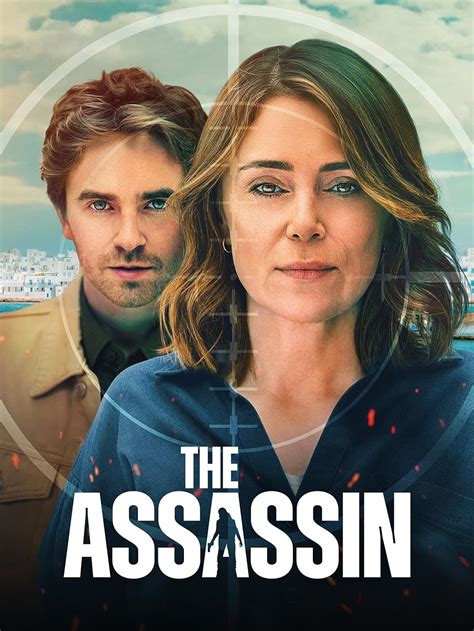
The Assassin (Three Now). Another hugely enjoyable series. A retired hit-woman (played by Keeley Hawes) is forced to come out of retirement and go on the run, along with her estranged son. She has to fight (literally) not only to uncover conspiracies but also to save her and her son’s lives and relationship. This action-filled series is fantastical but it enthralled me. This was partly because of the lead actress – ever since I came across Keeley Hawes playing the delightful Mrs Durrell in ‘The Durrells’ in 2016, I have loved her as an actress. So I couldn’t wait to see her as a (very active) assassin. And I wasn’t disappointed.
What do you think? Share your thoughts...