
I’ve done a lot of reading of fiction over the past few months – eleven novels in all, including several very substantial ones – but have undertaken less movie and theatre-going in that time period. I was lucky enough, while in London during March, to attend nine plays, but nothing since I have returned to New Zealand. I have, however, watched a lot of streamed shows recently.
BOOKS
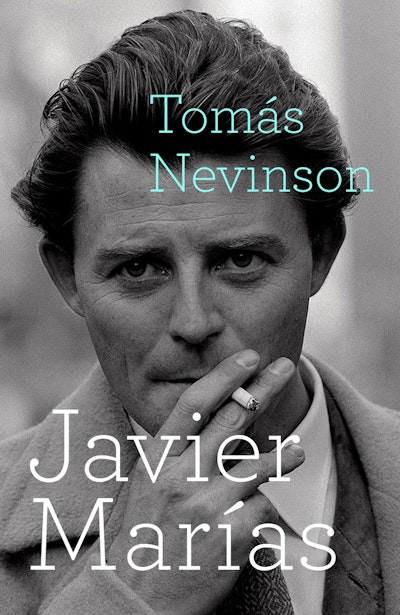
Tomas Nevinson by Javier Marias. This is an extraordinary novel. Not since reading John Le Carre have I gone so far into the mind of a secret agent tasked with one final job – identifying a female terrorist and eliminating her from future crimes that she might commit. It is full of the lies, deceit, betrayal and guilt that a good Le Carre novel would contain. But it has a depth that even Le Carre struggled to find. The agent, buoyed by literary connections, is full of moral and ethical doubts. Can he really murder a female who may have found redemption? You explore the agent’s mind as much as you explore his experiences. Yes, it is a long novel (630 pages); yes, it meanders from time to time and even goes into slow motion occasionally. But it hooks you. in his native Spain, Javier Marias was a beloved writer – he died in 2021 – but this, his final novel, spurs me on to wanting to read his many earlier novels. It appears to be beautifully translated by Margaret Jull Costa.
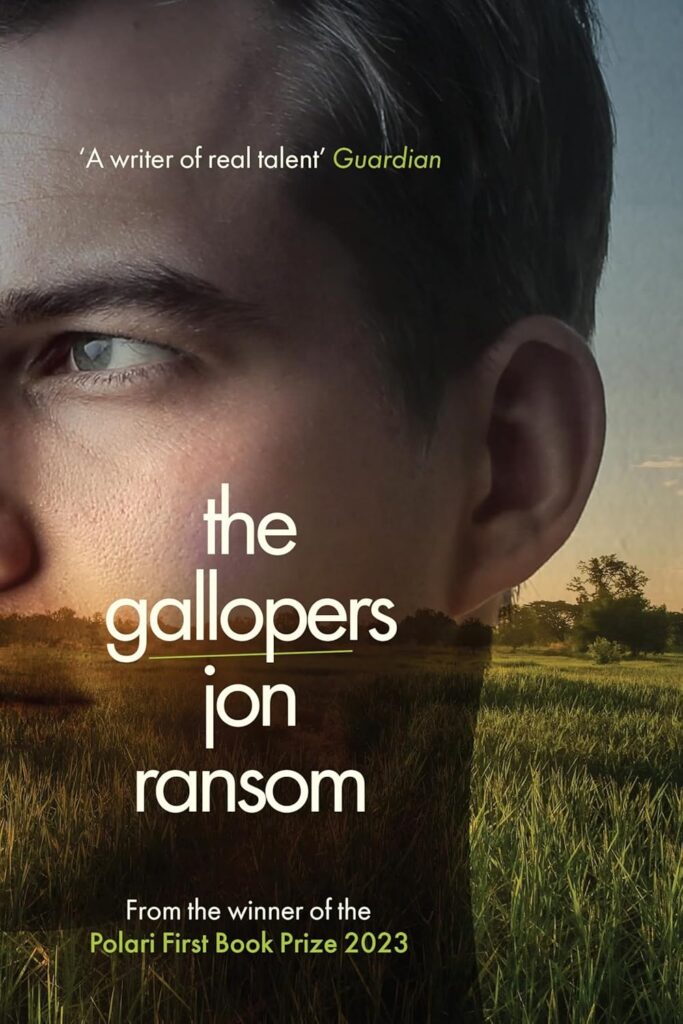
The Gallopers by Jon Ransom. This intriguing novel – set between the 1950s and the 1980s in rural Norfolk – is a very close relation of the author’s first novel (The Whale Tattoo) that I liked so much. Both feature working class gay characters (their lives and loves in a deeply homophobic society); both feature points of enigma linked to the natural world – in The Whale Tattoo it was a river that ‘talks’; in this novel, it is a field that contains hidden secrets that must be dug up. As 19-year-old Eli’s life unfolds, so do the secrets and lies that contextualise it. Almost a chamber piece (at just 190 pages), it is largely a blend of simple but compelling narrative interspersed with patches of dialogue. There is also a playscript in the middle of the novel – featuring some of the novel’s characters – but I am still deciding what it adds to the narrative beside taking us into the world of AIDs. All in all, a tough but very engaging novel.
M: Man of the Century by Antonio Scurati (translated from Italian by Anne Milano Appel). Vast in every sense of the word (at 760 pages), this fictionalised recount of Mussolini’s life 1919-1925 is fascinating, especially if you’re interested in early twentieth century European history and the rise of fascism. It has, of course, many parallels with today’s political world and could almost be regarded as a warning of ‘what might be’. The sombre words spoken by Mussolini at the end – “No one wanted to shoulder the burden of power. I myself will assume it” – are, to me, very chilling. It is admittedly dense with facts, causing me to maintain focus in ways that I am not always used to. But in the end, I was pleased I did. I learnt so much about history and became so engaged in this vile man’s life.
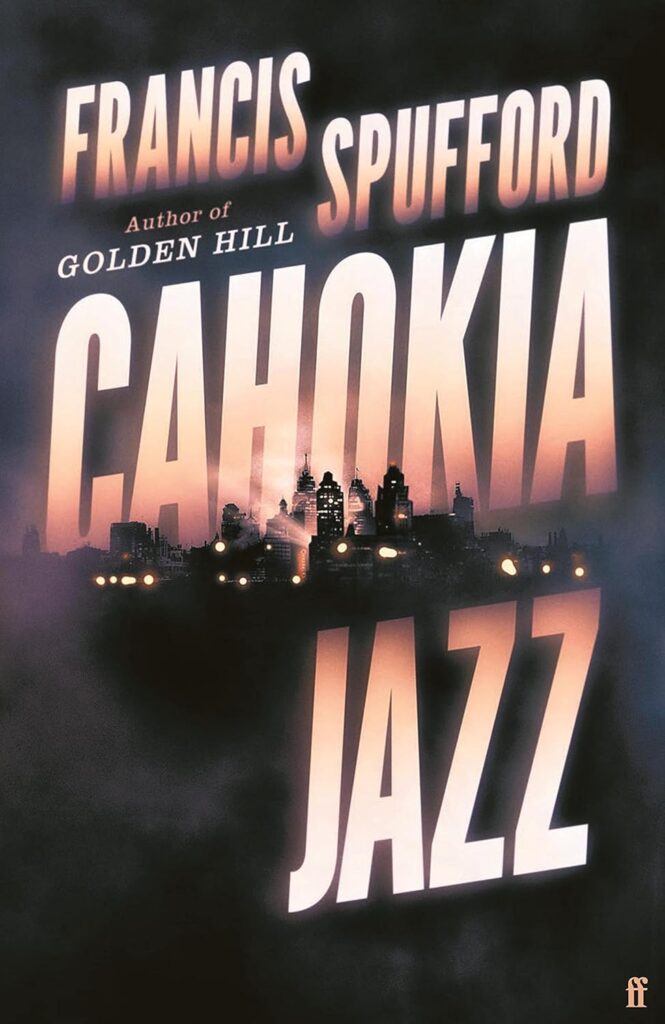
Cahokia Jazz by Francis Spufford. This reasonably engrossing novel – all near 500 pages of it – is about many things. It is basically a detective novel, set in 1922 and involving two detectives (one goodie, one baddie) attempting to solve a gruesome murder. But it is also an alternate history set amidst a Mississippi city populated mainly by a thriving Native American population (the killer diseases of the west have not thrived here) but also a smaller population of ex-slaves and a white population dominated by the Ku Klux Klan. And it is also a political who-dunnit as characters from all three populations fight each other for survival and the Native American hero (in all senses of the word) seeks his place in the world. It is full of action – not only murders but also riots and unexpected encounters – but therein lies its problem for me as a work of fiction. Too much (admittedly necessary) exposition and background information sometimes gets in the way of the fast-moving plot set across just six days. But Francis Spufford is a splendid novelist – I loved his two previous novels – and I would still recommend it as a well-written maze of mirrors. Just be prepared to do a bit of work as you read it.
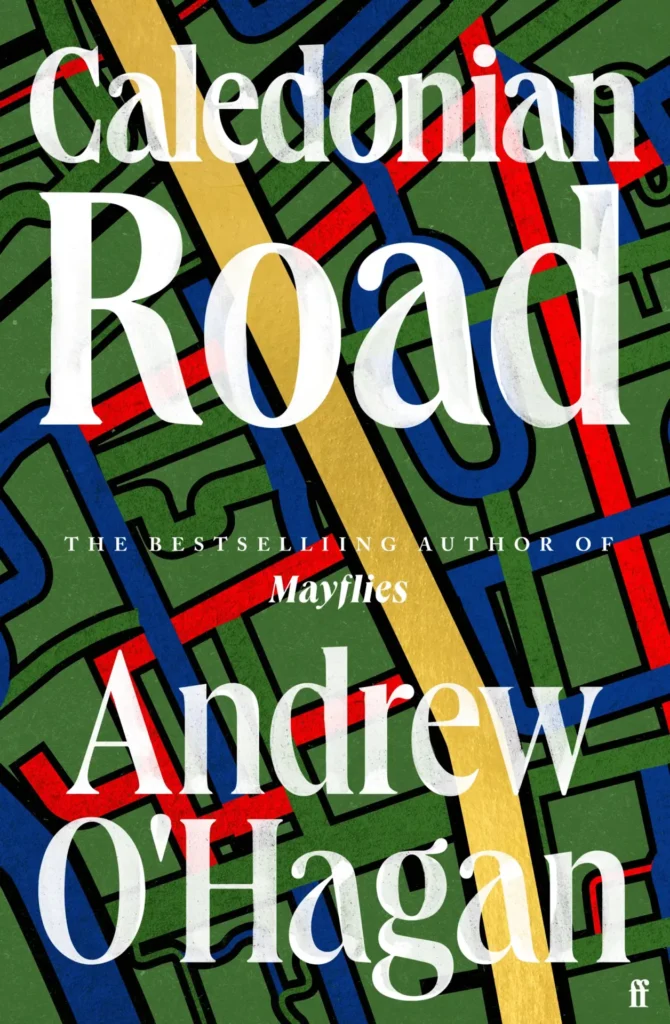
Caledonian Road by Andrew O’Hagan. This is an epic state-of-the-nation novel that does for London what Tom Wolfe did for New York in The Bonfire of the Vanities. Like the Wolfe novel – which I remember loving in the 1990s – O’Hagan’s sprawling epic embodies a huge range of diverse characters – from the top of the British aristocracy to the bottom of London estate gang-land, many of who have a (sometimes dubious) connection with each other. State of the nation? Yes, it’s all about greed gone crazy, extremes of inequality, heightened hypocrisy and climate change warnings, all contextualised within contemporary London – Brexit is causing huge problems, Britain has just come out of lock-down, Russian oligarchs and their money are having an inordinate amount of influence on London business and society, and Putin’s military is amassing at the borders of Ukraine. But, like the Wolfe novel, this is a hugely enjoyable read. A real page-turner. Never has London come more alive for me in a novel since reading Zadie Smith’s White Teeth.

Day by Michael Cunningham. This novel depicts the inner and outer lives and connections between seven New York-based characters over just three days. But they are the same day (April 5) over three consecutive years (2019, 2020, 2021). As such they fall in the middle of the pandemic. Yes, the dramas of the pandemic are evident – deaths and separations – but they are revealed covertly rather than overtly. You know what has happened to the characters (a brother and sister, her husband and two young children as well as the husband’s brother and the mother of his child) but it is the impact of the events on their lives that it more important than the events themselves. As such, it very much reminded me of Cunningham’s most well-known novel The Hours. It delves deeply into each character as they confront change and it had me on the verge of tears at some key moments. It is also a very elegant novel with beautifully written sentences I continually savoured. Cunningham has said that he is strongly influenced by the writing of Virginia Woolf – this is highly evident in this tender and poetic but sometimes biting novel. There is, I am pleased to report, optimism at the end.
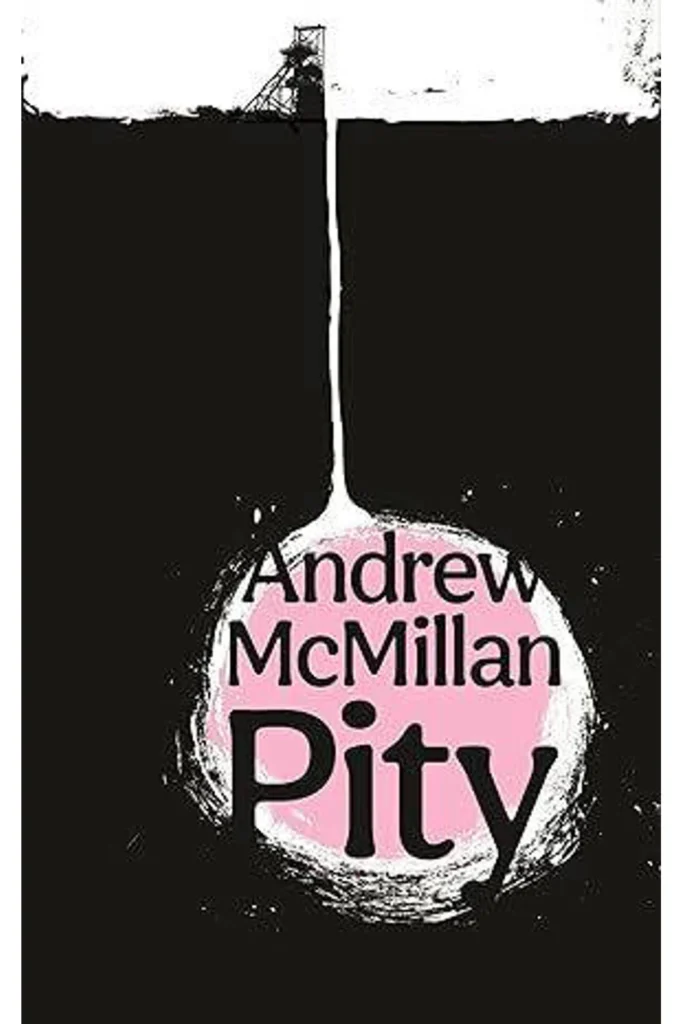
Pity by Andrew McMillan. This evocative novel is a study of male identity – straight and gay – set very precisely in a small South Yorkshire coal mining town in both the 1980s (yes, during the miners’ strike) and contemporary times. It is an odd mixture of family history (three generations of men), gay politics, drama therapy (a group of rather pretentious academics want community members to ‘recall’ what the town has ‘meant to them’) and even drag queen culture (with the main character making political points through impersonations of Thatcher), all told in short bursts. But it works beautifully. Secrets, strengths and connections are evoked clearly and sometimes powerfully and one gets a strong picture of a tight-knit and supportive northern community where people have struggled but now just get on with their lives. Being primarily a poet, McMillan’s writing is beautiful. For those who loved Shuggie Bain and Young Mungo, this is a great companion piece.
Henry Henry by Allen Bratton. I feel uncertain about this novel. I read it because it is roughly based on one of my favourite Shakespeare plays, Henry IV Part I. Set largely in London in 2010, its main characters are Henry (the king-like father of an aristocratic family), his eldest son Hal and other family members, and Hals’ friends Henry Percy, Jack Falstaff and Ed Poins. Although relatively engaging as a tale of family and sexual relationships, I couldn’t see why the author had used the Shakespeare play as the basis of his novel, other than as a quirky and amusing game. The novel is largely about gayness, ancestry, Anglo-Catholicism and abuse whereas the play is largely about kingship and civil war. Almost all the main characters in the novel are gay or bisexual whereas this is not the case in the play. I couldn’t see the connections, apart from the ongoing civil wars between family members. The novel interested me because of the potential connections but I could not recommend it widely to others. Its ‘truest’ sections are about the abuse that Hal experiences (largely from his father) but this ultimately does not elevate the debut novel to above ‘of interest’ for me.
This Strange Eventful History by Claire Messud. ‘This strange eventful history is life’ says one of the characters in this poignant, moving and very eventful family saga towards its end, and what a series of lives it portrays. Set primarily between 1940 and 2010, and based partially on the author’s own family’s lives – great-grandparents, grandparents, parents, siblings, children and grandchildren – it moves around the world: from Greece to Algeria to France to Argentina to Australia to Canada to the USA. This movement is purposeful. For the main characters (of French origin) regard Algeria as their home, but once rejected by it (in the 1950s) they cannot settle anywhere else. They keep looking. Huge life events – births, deaths, marriages – happen across the novel, but most of them are implied rather than portrayed. Instead, each chapter is a snippet of one of the character’s lives and this works beautifully. We are able to go into the day-to-day realities of characters’ lives, knowing that the big events are happening around them. Messud cleverly brings herself into the novel – three key chapters are narrated in the first person by a grand-daughter (Messud herself?) whereas the remainder are told more objectively in the third person. Messud has stated that she not only based the novel on family memoirs but was inspired by Shakespeare’s description of the ‘seven ages of man’ in As You Like It. She wanted to depict these stages. She has done a beautiful job of this.
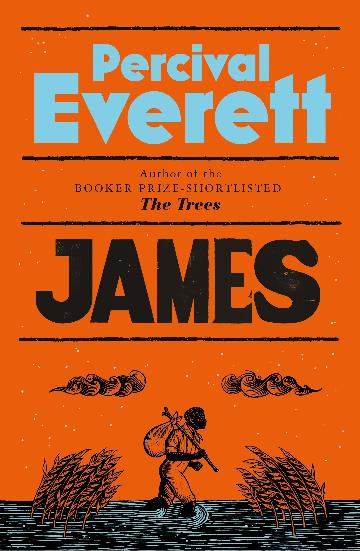
James by Percival Everett. The New York Times suggests that this novel could come to be regarded as “a masterpiece”. I would agree. At surface level, it is a page-turning and highly engaging re-telling of Mark Twain’s Adventures of Huckleberry Finn but told from the slave Jim’s perspective rather than Huck’s. But at a deeper level, it is an insight – as vivid as anything I have read recently – of the historical Black experience in America. Narrated in the first person by Jim, it takes you into that experience as movingly as any other novel I can recall. But it is not just the horrors of the experience that are unfolded (as horrific as they are) – there is also humour (just as there was in Everett’s The Trees, my ‘book of the year’ in 2021) and even surrealism as Jim plays with language codes and communes in his head with Voltaire and Locke about the ethics of slavery. On the cover, Ann Patchett is cited as suggesting that “every single person in the country [America]” should read this novel. I can understand why she suggests this.
Long Island by Colm Toibin. This sequel to Brooklyn published in 2010 – about Eilis Lacey’s move from West Ireland to Brooklyn, New York in the 1950s and her subsequent settling into suburban married life there – is hugely enjoyable and very readable. Toward the end, I could not put it down. Set twenty years later than Brooklyn, Eilis has recognised that her marriage is in jeopardy and she has returned to Ireland (on the pretext of attending her mother’s 80th birthday) where she re-connects with her jilted lover (Jim) of twenty years ago and her best friend (Nancy) who has since begun a relationship with Jim. There are subtle battles going on between all three characters with a ‘who will win?’ tension moving strongly through the novel. But as enjoyable as it was, Long Island did not satisfy me as much as Brooklyn did. I suggest this is because the sequel is more plot than character-driven than the first novel was, and consequently does not have the same depth as Brooklyn did. Long Island is told from the perspective of all three main characters and I wondered if it might have had more impact if it was told just from Eilis’ perspective, as Brooklyn was. But Toibin is an outstanding writer and there is beautifully portrayed sadness, humour, poignancy, frustration and tenderness in this novel, just not to the extend that there was in its predecessor.
THEATRE
I attended all of the shows below during two weeks in London in mid-March:
Dear Octopus by Dodie Smith. Smith was an incredible playwright from the 1930s who had six shows performing at once in the West End of London during her peak. But she eventually became most famous for writing the novel 101 Dalmatians. Dear Octopus – an English family saga set in the 1930s – was entertaining and engaging but creaked a bit as a play as old-fashioned relationships and values dominated and were questioned. It reminded me of the plays of JB Priestly but without their philosophical underpinnings. It was staged on a brilliant revolving stage at the National Theatre, and had a huge cast led by the wonderful Lindsay Duncan. But despite its technical prowess, the play rather sadly showed its age.
Macbeth by William Shakespeare. I must say that I enjoyed this production more than my partner did. He had acted in three productions over the years and directed another, so possibly had higher expectations than I did. Played in a large warehouse theatre, it used the space well. It was set in contemporary times with modern day battle sites (complete with burning rubble and plane wreckages) everywhere. Ralph Fiennes (as Macbeth) was arguably a little old and not particularly warrior-like for the central role but he delivered the lines with passion and clarity. The biggest downside of the evening though was the auditorium – a thousand of us were crammed into rows of very small plastic seats which made for a very uncomfortable experience.
The Hills of California by Jez Butterworth. On a previous visit to London, I had attended one of the great theatre experiences of my life – The Ferryman by Jez Butterworth – so you can imagine how excited I was about attending this show, his first play since The Ferryman. In many ways I wasn’t disappointed. The play was fascinating. Set in the north of England, it was about a very pushy mother who wanted her four moderately talented daughters to become famous by performing like the Andrew Sisters. However, a ‘me too’ moment occurs and the oldest sister (probably the most talented) flees to ‘the hills of California’. But the play itself begins thirty years later with the mother dying upstairs dying as ‘secrets and lies’ unravel across the family, mostly around the mother’s unwillingness to accept the truth of the ‘me too’ moment. The singing was great and the performances were lovely. Like Dear Octopus and Macbeth, it was played on an extraordinary set, this time featuring three sets of steep stairs soaring into the theatre’s fly towers. Not quite up to The Ferryman but very good indeed.
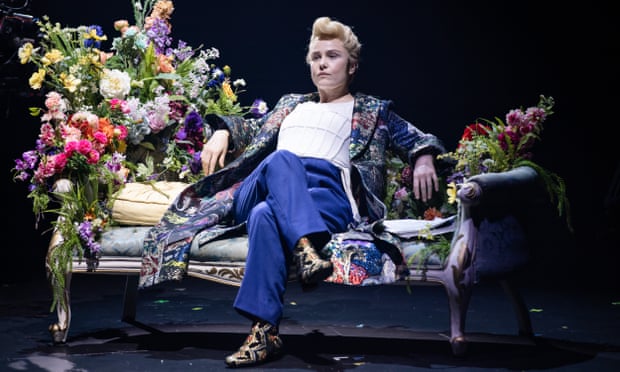
The Picture of Dorian Gray by Kip Williams, after Oscar Wilde’s novel and starring Sarah Snook of Succession fame in a one-woman show. What a show! Six people with cameras track Snook around the stage as she plays 28 characters, chopping and changing between them and then acting with former characters (i.e., herself) as they arrive on small screens flying about the stage. It truly was a marvel to watch and fully deserved the prolonged standing ovation it was given at the end. As did Snook herself who won the 2024 Olivier Award for Best Actress for her performance. It was probably the best production we saw in London during this visit. And just so camp!!
The Human Body by Lucy Kirkwood. I went to this play mainly because it starred two of my favourite English actors, Keely Hawes and Jack Davenport. I was, unfortunately, a little disappointed. The production was fine – clever use of videos again – and the performances were great, just as I expected. But the play itself did not fully satisfy me. It was basically a love story in the tradition of the film Brief Encounter but it was also about the establishment of the National Health Service just after the war. I think I wanted more passion from it. I could easily have watched it as a one-off BBC television drama which would have saved me the high ticket price one pays in the West End these days.
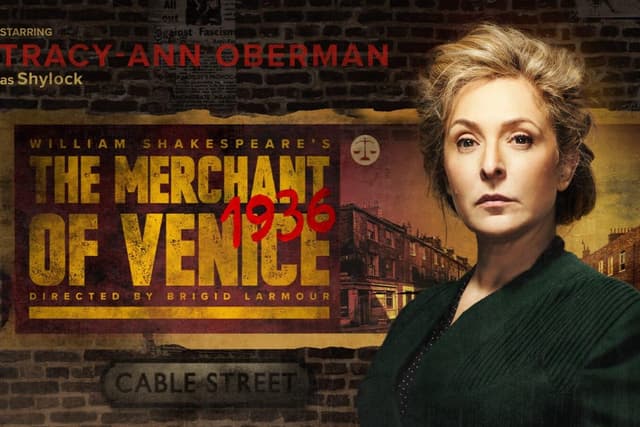
The Merchant of Venice 1936 after William Shakespeare. This was fabulous. Produced by the RSC (Royal Shakespeare Company) and spoken with clarity and naturalness, it was a real lesson in speaking Shakespeare. But to be fair, the script had been pared down and changed and bits had been added. This version (unlike the original) was set in 1936 (with Nazism in full flare), in London’s East End (where Moseley’s fascists were on the ascendant) and with Shylock played as a woman (played by the wonderful Tracey-Ann Obermann who also adapted the text). But my gosh, it all worked wonderfully. All through the performance, video was screened of actual fascist activities happening in London during the 30s and the sound of breaking glass kept coming through. This was all very chilling and resonated strongly with today’s rather scary (to me anyway) political climate.
An Enemy of the People after Henrik Ibsen. This was a German production (translated into English by Duncan Macmillan) but starring the very popular English actor Matt Smith. Although I know the original play reasonably well, this very modern production (including songs by David Bowie) did not resonate with me. To me, it was just a hectoring jumble of ideas and the second half (a town hall meeting at which the lead character is put on trial) particularly irritated me. The auditorium lights came on and we, the audience, had to act as townsfolk at the meeting. Questions were screamed at us and some (presumably) planted audience members attempted to answer them. To me, it was all a bit of a ramble and became incoherent. And manipulative. And very loud. The young people in the audience seemed to love it. I thought, “Oh come on, this is nonsense”.

Nye by Tim Price. This National Theatre production (starring Michael Sheen with a supporting cast of 30+ actors) strongly appealed to me for two reasons. It told a fascinating story – the Welsh Labour politician Nye Bevan driving the establishment of the National Health Service in the late 1940s against incredible opposition. But I especially loved the actual production. It could have been a dull and rather dry couple of hours, but it was so so clever in its staging, with wonderful use of colour, movement, music and design. Sheen was charming and clever and funny and I loved it completely. I note that it is soon coming out as a National Theatre Live cinema piece – I urge you to see it.
Opening Night by Rufus Wainwright and Ivo van Hove. I wanted to see this musical for several reasons – it was based on a film that I know and like; it was co-written and directed by the very hot Dutch director Ivo Van Hove (who had co-written and directed the theatrical version of A Little Life which I loved); and it starred the immensely talented Sheridan Smith. It hasn’t ‘officially opened’ when I saw it but I had read on social media that many audience members were leaving, feeling disgruntled, at interval. I stayed till the end but gave it only a tepid clap. It disappointed me greatly. I thought that the script was banal and the music was tedious – to me, tuneless and pretentious. Never did I feel engaged in it. It is about a star actress heading toward an opening nIght on Broadway but who has lost confidence in herself and takes it out on her fellow cast members and director. She is so awful to them that you lose any interest or sympathy for her. Predictably, it opened to very mixed but mainly bad reviews.
VIEWING
I have been watching the same streamed shows as many other people over the past few months and my favourites have been:
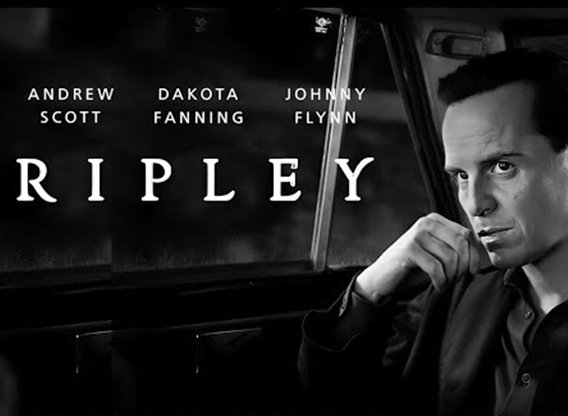
Ripley (Netflix). As a huge fan of Patricia Highsmith (the originating author) and Andrew Scott (the lead actor), I was so looking forward to this series. I was not disappointed. Filmed beautifully in black and white, this tale of murder, mayhem and deception both chilled and thrilled me.
True Detective: Night Country (Netflix). Starring the wonderful Jodie Foster and set in the bleakest parts of Alaska, this was another series that chilled and thrilled me as it moved almost into the world of the supernatural. I enjoyed this series so much that I was inspired to watch the earlier series, starring Matthew McConaughy, Woody Harrelson, Colin Farrell, Vince Vaughan and Mahershala Ali amongst others. I thoroughly enjoyed all of them, despite the differences between them.
A Man in Full (Netflix). Another great series – based loosely on a Tom Wolfe novel, this is about an Atlanta real estate mogul (Jeff Daniels) as he faces sudden bankruptcy and tries to defend his empire from those trying to take it from him. Its tone reminded me of Succession.
Capote (Netflix). Starring Tom Hollander as the author and socialite Truman Capote and Naomi Watts, Diane Lane and Demi Moore (amongst others) as some of the wealthy New York women (referred to as his swans) who act as his fawning acolytes until things go badly wrong, this is the second of the excellent Feud series. The first (well worth watching) depicted the famous Hollywood feud between Bette Davis and Joan Crawford. This one depicts, very engagingly, Capote’s fall from grace as the toast off New York society. And all because of a silly indiscretion on his part….
Baby Reindeer (Netflix). The whole world watched this, as did I, and (I suspect) got totally involved in the ultimate stalking story. It had me on the edge of my seat – through its actual plot – but also made me feel a mixture of anger and sadness as the main character (the stalkee) assumed the role of victim more and more as the series went on. It contained wonderful (and sometimes horrifying) performances from Richard Gadd (no relation!) as the victim, Jessica Gunning as the larger-than-life stalker and Tom Goodman-Hill as his abuser; and the fact that it was basically Gadd’s own story reinforced the horror of the series.
Mary and George (TVNZ On Demand). This incredibly sumptuous series tells the story of the Countess of Buckingham (Julianne Moore) who moulds her son (Nicholas Galitzine) into seducing King James 1 and becoming his all-powerful and very wealthy lover through a myriad of intrigues. Based on reality – George (the Duke of Buckingham) becomes richer, more titled and more influential than any previous English aristocrat had ever been – the series is thrilling, cut-throat and erotic. Not for the squeamish nor the prudish – luckily, I am neither.
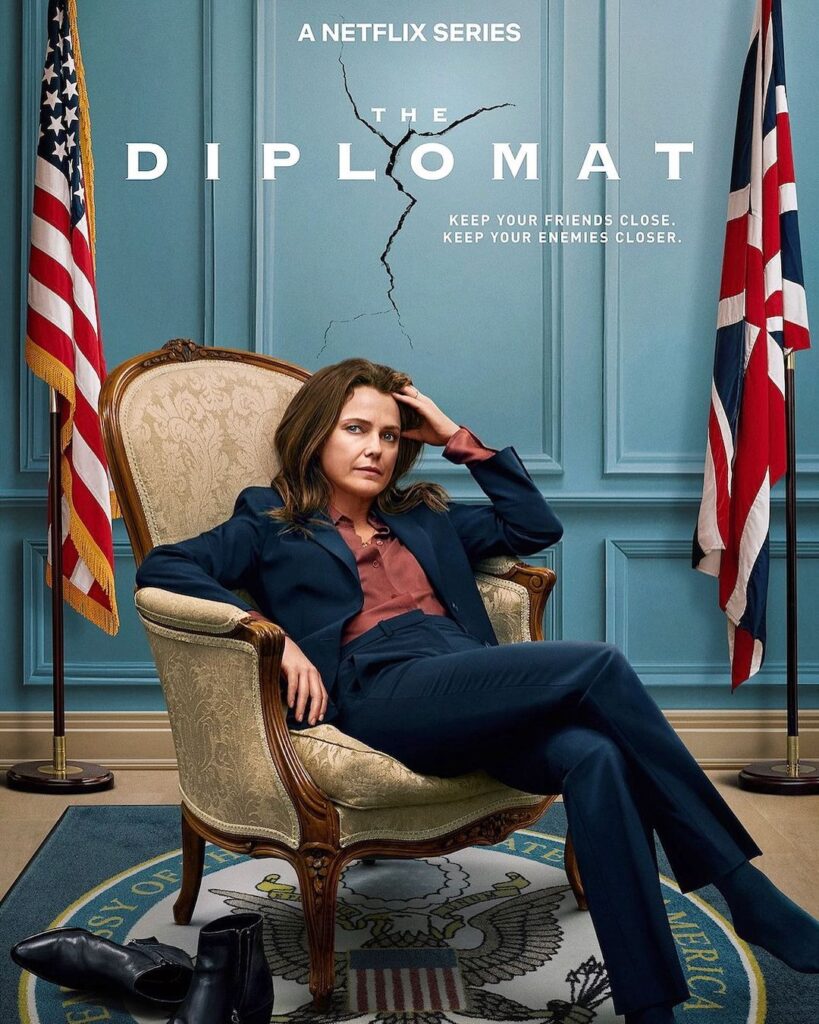
The Diplomat (Netflix). I knew nothing of this series but having been always fascinated by American and British politics, but I’m so pleased I watched it.
Keri Russell (from The Americans) plays an American ambassador sent to London and apparently out of her depth. But is she really? She is set the challenge of sorting out political shenanigans between Britain, America and Russia. Sound familiar? Highly enjoyable and intriguing.
The Regime (Neon). This was another political series that I knew nothing about but it was very different to The Diplomat. Kate Winslet (as an entitled, selfish and egocentric ruler of an un-named Central European nation) is very funny as she attempts to rule her country according to her own needs. She gets herself into (and out of) scrapes that you would not believe. But underneath it all, it tells a tale of totalitarianism that is rather scary in today’s world. Very enjoyable.
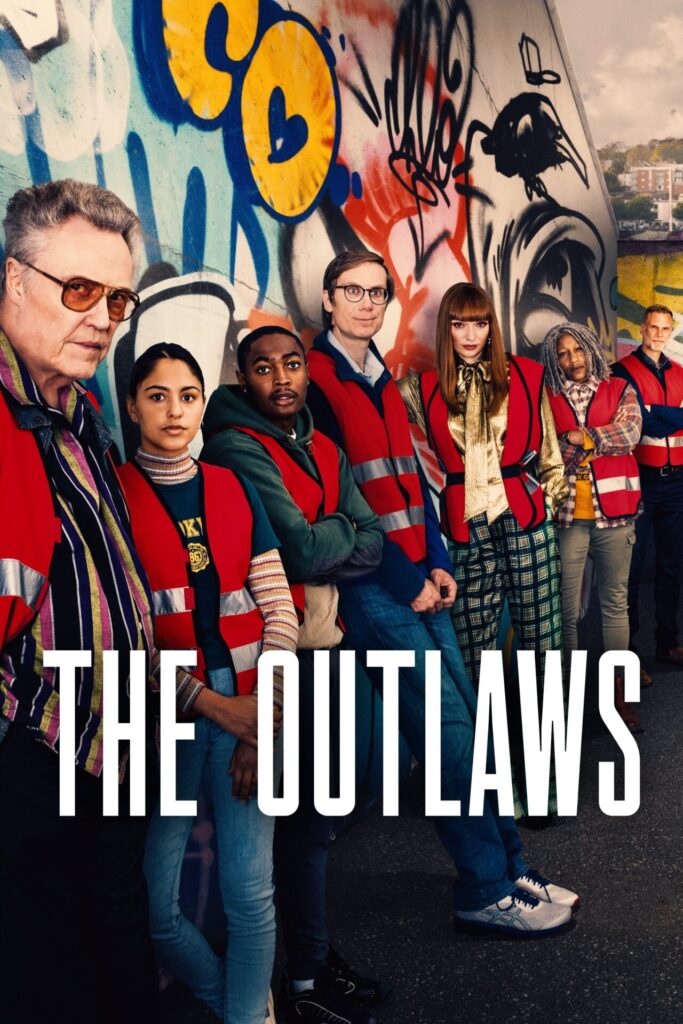
The Outlaws (Prime Video). This is a great series. Set beautifully in Bristol and a mixture of comedy, drama and high tension, it tells of seven very different strangers who are undertaking a period of community service for misdemeanours they have committed and get into all sorts of trouble involving gangsters, drug-dealers and of course the police along the way. But beautiful relationships between the seven start to emerge. The stars, in my opinion, are the very droll Stephen Merchant (who is also one of the writers) and Jessica Gunning (from Baby Reindeer) who had me in fits as she undertook her role as supervisor all too seriously. Again, very enjoyable.
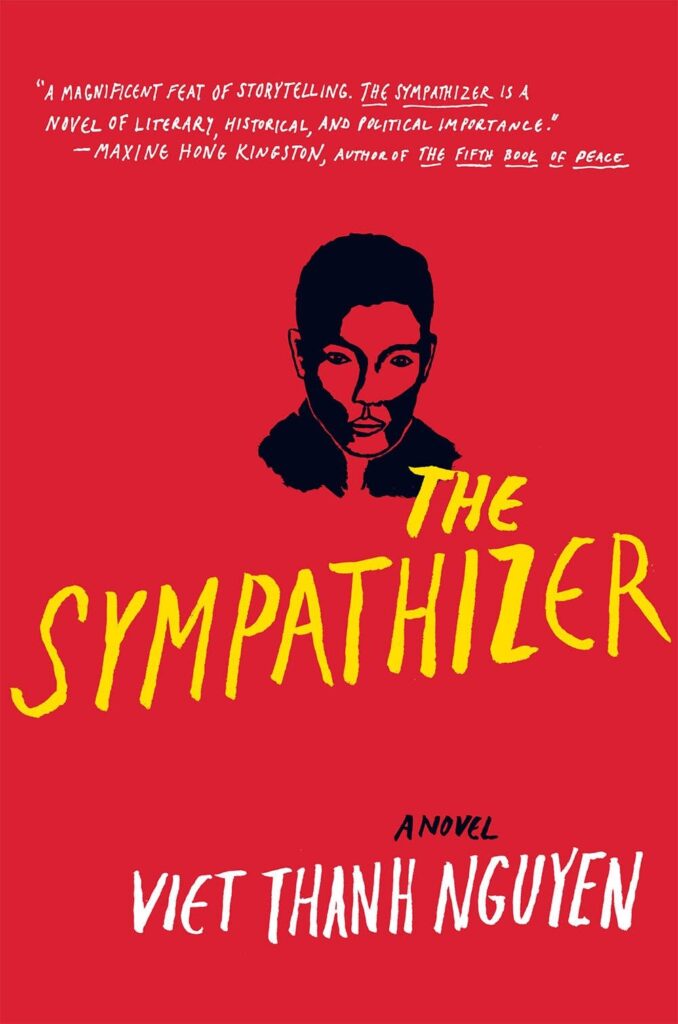
The Sympathizer (Neon). Based on a novel of the same title (by Viet Thanh Nguyen) which I loved, this quirky espionage series begins in Vietnam (right at the end of the Vietnamese War) but moves quickly to America in the 1970s. The main character is a communist plant in the South Vietnam army who not only flees to America but takes up residence amongst the South Vietnam ex-pat community where he continues to spy and report back to the Viet Cong. I began to watch this series in Sweden but gave up because there were no subtitles for the spoken Vietnamese. This was disconcerting because about a third of the dialogue is in Vietnamese. But I caught up with it again back in New Zealand; and the subtitles were in place. I was very pleased that I did.
I am currently following an on-the-edge-of-your-seat courtroom drama on Apple (Presumed Innocent with Jake Gyllenhaal – final episode coming up; can’t wait) and Shogun (on Disney) is next on the list for me. So many friends have recommended it to me.
Solace
Thank you Murray, great reading your update. I absolutely loved Ripley, an edge-of-the-seat thriller, though had to look away during the dark moments. Andrew Scott was fabulous in this and the cinematography was outstanding. I think this will likely be winning multiple awards.
Ellie Smith
As usual, Murray, you have inspired me to read some new novels! “Day” by Michael Cunningham sounds irresistible and I’m definitely now going to read “Caledonian Road”, having nearly been put off by a friend who hated it. Always such a delight to read your reviews!